
Karate Is Self-Defense? Have you ever wondered if karate is really effective for self-defense? You might think it’s just about flashy moves and breaking boards, but there’s more to it than that.
Understanding how karate works to protect you can change the way you see this martial art—and maybe even how you protect yourself every day. Keep reading to discover why karate could be the key to your safety and confidence when it matters most.
Credit: vigilanttiger.com
Karate And Self-defense
Karate is more than a sport. It is a practical skill for self-defense. Many people learn karate to protect themselves and others. It teaches awareness, quick reactions, and effective techniques. These skills help in real-life danger situations.
Karate builds confidence and mental strength. It trains the body to respond calmly under pressure. The focus is on avoiding harm while staying safe. Let’s explore how karate connects deeply with self-defense.
Origins Of Karate As A Protective Art
Karate started in Okinawa, Japan, as a way to protect against attacks. It combined local fighting methods with influences from China. The goal was to defend without weapons. Early practitioners needed simple and effective moves. These moves were designed for survival and safety.
Core Techniques For Real-world Defense
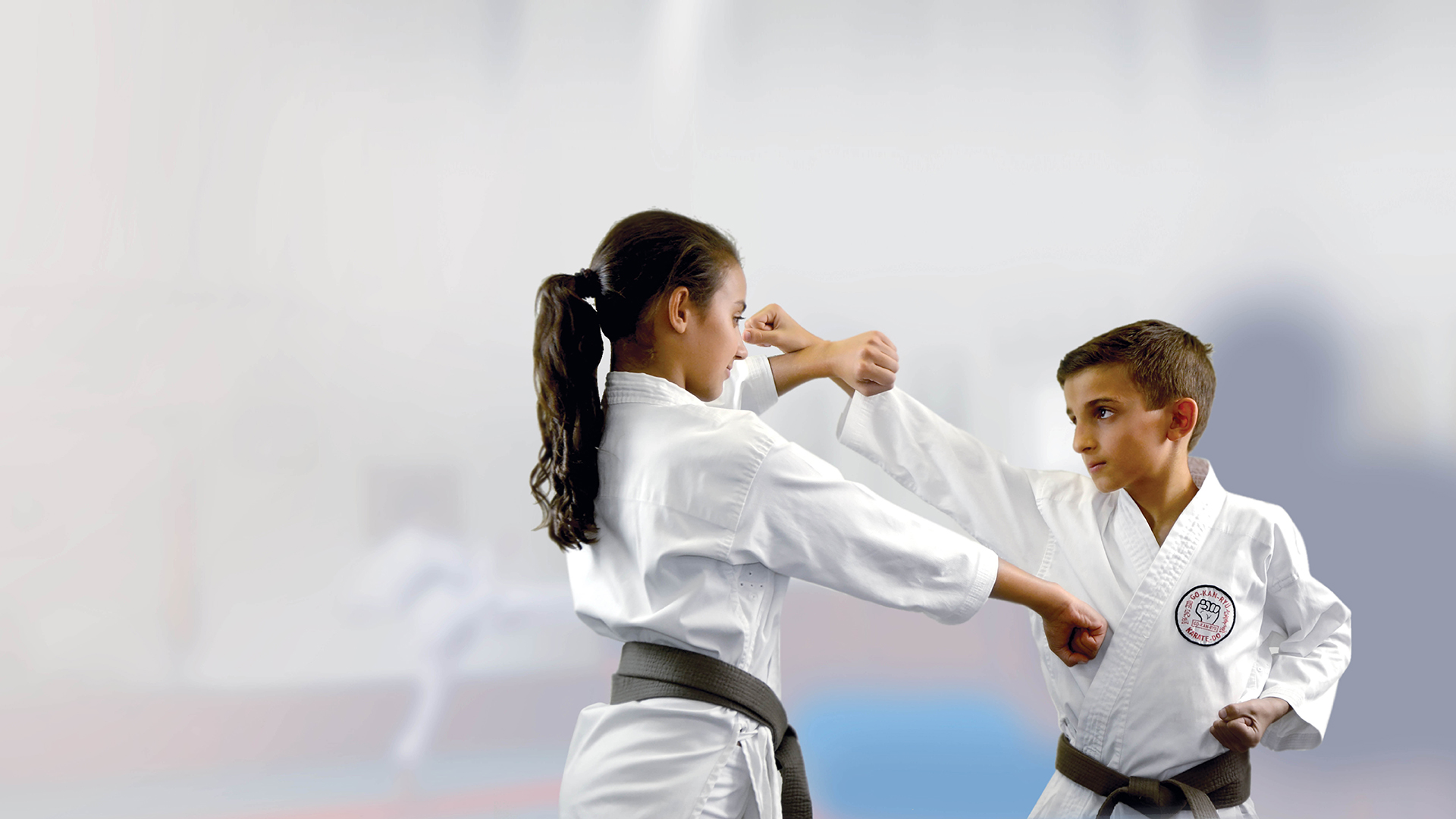
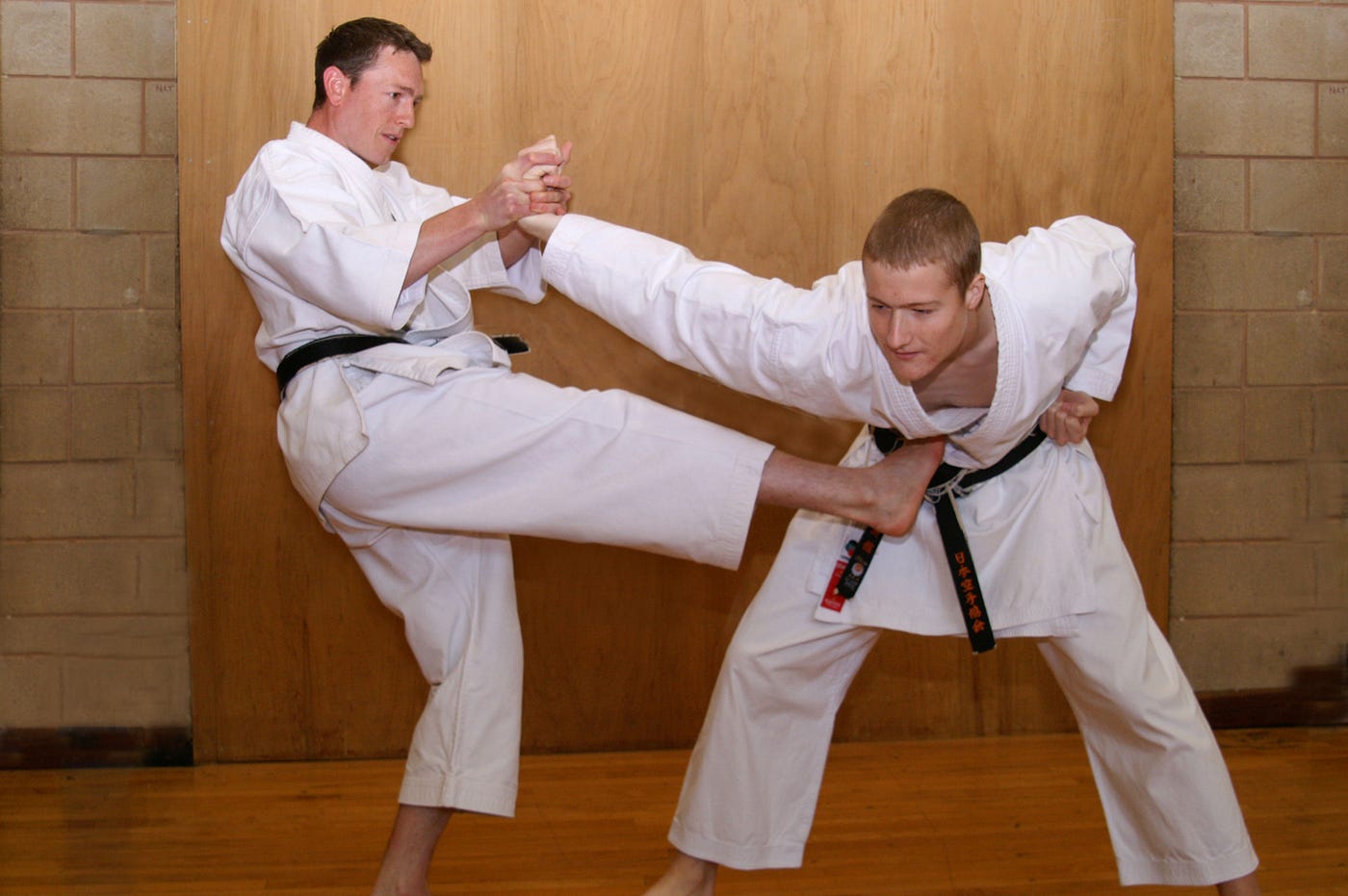
Karate teaches strikes, blocks, and evasions for defense. Punches and kicks target vulnerable areas like the face and body. Blocks stop or redirect attacks from opponents. Footwork helps avoid danger and gain a better position. Techniques focus on stopping threats quickly and safely.
Difference Between Sport And Self-defense Karate
Sport karate uses rules and points to compete. It focuses on speed, technique, and scoring. Self-defense karate prepares for unpredictable attacks. It trains students to react without rules or limits. The goal is survival, not winning a match. Both have value, but self-defense skills save lives.
Credit: www.gkrkarate.com
Physical Benefits Of Karate
Karate offers many physical benefits that improve overall health. It helps build a strong and flexible body. Regular practice shapes muscles and boosts physical fitness.
Training in karate also improves body control. Movements become sharper and faster. This makes daily activities easier and safer.
Improved Strength And Flexibility
Karate training uses punches, kicks, and stances that build muscle strength. These actions work different muscle groups. Over time, muscles grow stronger and more toned. Stretching exercises in karate increase flexibility. Flexible muscles reduce injury risks and improve movement.
Enhanced Coordination And Reflexes
Karate requires precise body movements and timing. This training sharpens hand-eye coordination. Practicing quick responses improves reflexes. Better reflexes help avoid danger and react faster.
Cardiovascular Health And Endurance
Karate is a high-energy workout. It raises heart rate and improves blood flow. Regular practice builds stamina and endurance. A strong heart supports overall health and well-being.
Mental Strength Through Karate
Mental strength is a key part of Karate practice. Karate teaches more than just physical moves. It helps train the mind to stay calm and strong. Practicing Karate builds focus and control over emotions. This mental toughness supports self-defense skills. It prepares you to face challenges with a clear mind and steady heart.
Building Focus And Discipline
Karate demands attention to detail and careful practice. Students learn to listen and follow instructions closely. This builds strong focus over time. Discipline grows from regular training and respect for the art. The mind learns to block distractions and stay on task. Such mental habits help outside the dojo too.
Stress Relief And Emotional Balance
Karate offers a way to release stress safely. Physical activity helps clear the mind and lower anxiety. Controlled breathing and movement calm the nervous system. This balance supports emotional health. Karate teaches patience and control, which improve mood and reduce anger.
Boosting Confidence And Self-esteem
Learning new skills in Karate builds confidence. Each achievement, big or small, adds to self-esteem. Karate helps people trust their abilities and decisions. Feeling capable reduces fear in difficult situations. This confidence makes self-defense more effective and natural.
Karate Techniques For Everyday Safety
Karate offers practical skills for everyday safety. It teaches simple techniques anyone can use. These moves help protect the body and create space from danger. Karate also trains the mind to stay alert and calm in tough situations. This balance of physical and mental skills makes karate a strong choice for self-defense.
Basic Moves Anyone Can Learn
Karate starts with easy moves. Punches, blocks, and kicks form the foundation. These actions build confidence and strength. Learning these basics helps react quickly to threats. Practice makes these moves natural and fast. Anyone can train, regardless of age or fitness.
Situational Awareness And Prevention
Karate teaches how to watch your surroundings. Spotting danger early avoids many problems. Being aware means noticing people and places carefully. It helps choose safe routes and avoid risky spots. Prevention is key. Karate helps sharpen this important skill.
De-escalation Skills And Non-violent Options
Karate is not only about fighting. It shows how to stay calm in conflict. Words and body language can stop fights before they start. De-escalation keeps everyone safer. Knowing when to walk away is part of karate training. Peaceful options are always the best choice.
Karate’s Role In Personal Growth
Karate is more than just physical defense. It shapes character and builds inner strength. The discipline teaches focus, patience, and respect. These qualities help people grow beyond the dojo.
Karate challenges both mind and body. Practitioners learn to face fears and overcome limits. This journey boosts confidence and self-awareness. It creates a strong foundation for personal growth.
Setting And Achieving Goals
Karate students set clear goals like earning belts or mastering moves. These goals teach planning and persistence. Achieving them builds pride and motivation. This habit helps in other life areas too.
Community And Support Networks
Karate creates a close group of friends and mentors. This community offers encouragement and advice. Sharing progress and challenges builds trust. Support helps keep students motivated and focused.
Lifelong Learning And Adaptability
Karate encourages learning at every stage of life. Techniques evolve, and students adapt to new challenges. This mindset keeps the mind sharp and open. It teaches flexibility in life and self-defense.
Credit: medium.com
Frequently Asked Questions
Is Karate Effective For Self-defense?
Yes, Karate teaches practical techniques to defend against attacks. It improves reflexes, awareness, and confidence, essential for self-defense.
How Does Karate Improve Personal Safety?
Karate enhances situational awareness and quick decision-making. It trains you to respond calmly and effectively in dangerous situations.
Can Beginners Learn Karate For Self-defense?
Absolutely, beginners can start Karate to build self-defense skills. Instructors focus on basic moves and real-life application from day one.
What Makes Karate Different From Other Martial Arts?
Karate emphasizes striking techniques like punches and kicks. It also develops discipline, balance, and mental strength for self-protection.
Conclusion
Karate teaches more than just fighting skills. It builds confidence and awareness. You learn to stay calm in tough situations. This helps protect yourself and others. Karate also improves your focus and discipline. It is a practical way to stay safe.
Many people find it useful every day. Training in karate can be a smart choice. It prepares you to handle danger better. Simple moves can make a big difference. Karate truly works as self-defense.
One thought on “Karate Is Self-Defense? Discover Its True Power and Benefits!”