
History of Karate: Have you ever wondered where karate really comes from? Understanding the history of karate can change how you see this powerful martial art.
It’s not just about punches and kicks—it’s a story filled with culture, discipline, and surprising twists. By learning what shaped karate, you’ll connect deeper with every move you practice. Ready to discover the origins and secrets behind karate’s rise? Keep reading, and you’ll unlock insights that might just transform your approach to this ancient art.

Credit: www.kenseikancanada.org
Origins Of Karate
The origins of Karate reach back several centuries. This martial art has a rich history rooted in tradition and culture. Its beginnings are tied closely to the island of Okinawa. The story of Karate is a blend of local customs and foreign influences. Understanding these origins helps us appreciate Karate’s unique style and philosophy.
Roots In Okinawa
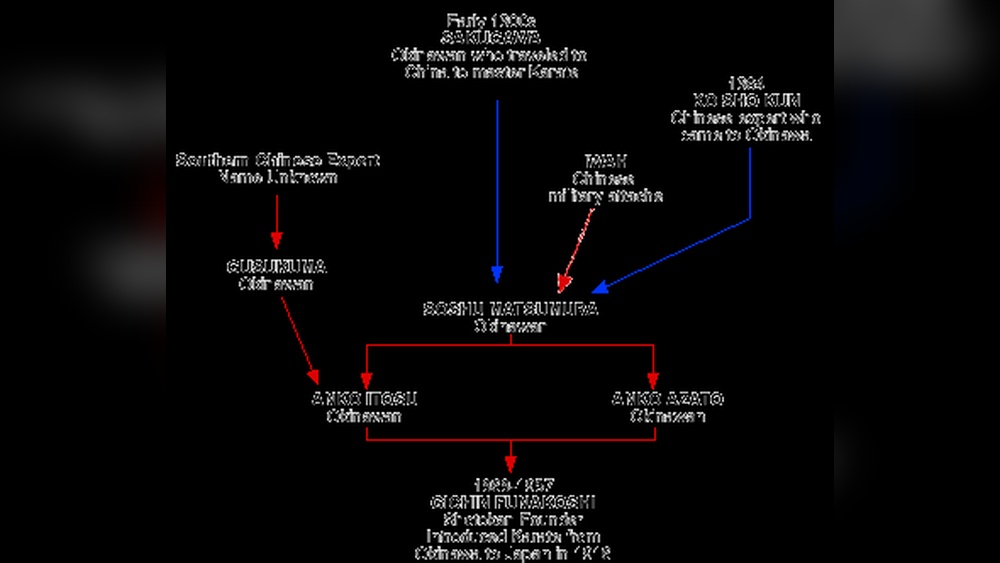
Karate started on Okinawa, a small island in Japan. Okinawa was an important trade center. The island had its own fighting methods called “te,” meaning hand. These methods focused on self-defense without weapons. Local warriors practiced these techniques for protection and discipline.
Influences From Chinese Martial Arts
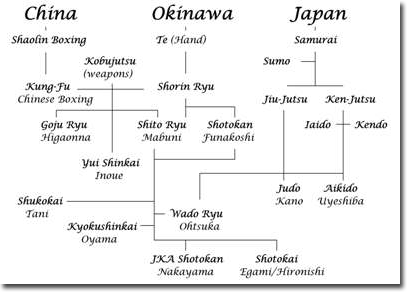
Chinese martial arts had a strong impact on Karate. Traders and monks brought Chinese fighting styles to Okinawa. These styles included fluid movements and strong stances. The blending of Chinese techniques with Okinawan “te” shaped Karate’s development. This mix made Karate effective and practical.
Early Development And Practices
Early Karate focused on striking, blocking, and kicking. Training was secret and passed down within families or small groups. Practitioners trained in small dojos or open spaces. Discipline and respect were key parts of training. Over time, Karate grew into a formal system with clear rules and techniques.
Credit: www.dynamic-karate.com
Karate’s Evolution
Karate’s evolution is a journey of change and growth. It started with ancient fighting methods and became the art we know today. This journey shows how Karate adapted to different needs and cultures over time.
Transition From Weaponry To Empty-hand Combat
Karate began as a way to defend without weapons. Early Okinawan people used tools and sticks for protection. Over time, they trained to fight using just their hands and feet. This change helped people protect themselves when weapons were not allowed.
Empty-hand combat made Karate more practical. It focused on strikes, blocks, and kicks. This style allowed quick self-defense and required no special tools. The shift also made Karate easier to practice anywhere.
Formation Of Different Styles
Different masters shaped Karate into many styles. Each style has unique moves and techniques. Some focus on fast punches, others on strong kicks or deep stances. These styles reflect the teachers’ experiences and local culture.
Popular styles include Shotokan, Goju-Ryu, and Shito-Ryu. Each style has its own training methods and philosophy. This variety helps students find the best fit for their skills and goals.
Role Of Karate In Okinawan Society
Karate played a big role in Okinawa’s daily life. It was used for personal protection and peacekeeping. The art also helped build discipline and respect among people.
Karate schools became community centers. They taught more than fighting skills. Students learned respect, focus, and self-control. These values helped keep harmony in Okinawan society.
Karate’s Spread To Japan
Karate began as a martial art from Okinawa, an island far from Japan’s main islands. Over time, it moved to mainland Japan, gaining new followers. This spread changed karate’s style and helped it grow into a popular discipline. The journey to Japan marked a key moment in karate’s history.
Many changes happened as karate adapted to Japan’s culture and training methods. It became more organized and widely taught. This helped karate become known not only as self-defense but also as a sport and art.
Introduction To Mainland Japan
Karate first reached mainland Japan in the early 1900s. Okinawan masters traveled to Japan to teach their skills. Japanese people showed great interest in this new martial art. Schools and universities began to include karate in their programs. This helped spread karate across the country quickly.
At first, karate was seen as exotic and different. Over time, it blended with Japan’s martial arts traditions. This made karate more accepted and popular among many people.
Modernization And Standardization
As karate grew in Japan, it needed clear rules and structure. Training methods became more formal and standardized. Kata, or practice forms, were organized into specific styles. Uniforms and belts were introduced to show rank and skill.
Karate also became a sport with competitions and scoring. This helped karate reach a wider audience and gain respect as a serious discipline. The changes made karate easier to teach and learn across Japan.
Key Figures In Karate’s Expansion
Many masters played important roles in bringing karate to Japan. Gichin Funakoshi is often called the father of modern karate. He introduced Shotokan karate and taught many students in Japan. Another important figure was Kenwa Mabuni, who founded Shito-ryu style.
These teachers helped karate grow by opening dojos and writing books. Their work made karate popular and respected in Japan and beyond.

Credit: en.wikipedia.org
Global Expansion
Karate grew beyond its roots in Okinawa and Japan. It spread worldwide and became a popular martial art. This global expansion introduced karate to many cultures. People everywhere started practicing and teaching it. The growth shaped karate into the diverse practice known today.
Karate In The 20th Century
The 20th century saw karate move outside Japan. Soldiers and travelers helped spread it to new countries. Schools and dojos opened in Asia, Europe, and America. Each place added its own style and approach. Karate became more accessible to people of all ages. Training shifted from secretive to public lessons.
International Competitions And Organizations
Karate competitions began to unite practitioners worldwide. The World Karate Federation formed to guide rules and events. Contests tested skills and sportsmanship on a large scale. These tournaments raised karate’s profile as a sport. They helped standardize techniques and judging criteria. Karate gained respect as a competitive and disciplined activity.
Karate In Popular Culture
Movies and television introduced karate to global audiences. Famous films showed karate’s power and philosophy. Stars like Bruce Lee inspired millions to learn karate. Karate terms and moves entered everyday language. Schools offered karate lessons as fun and fitness. The art’s presence in media kept it popular and growing.
Philosophy And Traditions
Karate is more than just physical moves. Its philosophy and traditions shape the whole practice. Respect, discipline, and focus are key ideas. These values guide students inside and outside the dojo. Understanding these elements gives deeper meaning to karate training.
Dojo Etiquette And Training
The dojo is a special place for learning and growth. Students bow when entering and leaving. This shows respect to the space and the teacher. Silence and attention are expected during lessons. Clean uniforms and neat appearance are important. These rules create a calm and focused environment.
Training follows strict routines. Repeating basic moves builds strength and skill. Group practice helps students learn from each other. Respect for seniors and instructors is always shown.
Mental And Spiritual Aspects
Karate trains the mind as well as the body. Concentration improves with each session. Students learn to stay calm under pressure. Breathing techniques help control stress and energy. Meditation is often part of training. It encourages self-awareness and inner peace.
The spiritual side teaches humility and patience. Karate is about self-improvement, not fighting others. This mindset helps students grow into better people.
Karate’s Impact On Personal Development
Karate builds more than physical strength. It teaches discipline and responsibility. These traits improve school, work, and relationships. Confidence grows as skills improve. Students learn to set and reach goals. Respect and honesty become natural habits.
Many find karate helps with focus and motivation. It shapes character and builds a strong mindset. These benefits last long after training ends.
Frequently Asked Questions
What Is The Origin Of Karate?
Karate originated in Okinawa, Japan, combining native martial arts with Chinese fighting techniques. It developed as a self-defense method during Okinawa’s period of weapons bans.
How Did Karate Spread Worldwide?
Karate spread globally after World War II through Okinawan masters teaching in Japan and abroad. Its popularity grew via competitions, movies, and international organizations.
What Are The Main Styles Of Karate?
The main Karate styles include Shotokan, Goju-Ryu, Shito-Ryu, and Wado-Ryu. Each style has unique techniques, training methods, and philosophical approaches.
How Has Karate Evolved Over Time?
Karate evolved from traditional self-defense to a modern sport. It now includes competitive tournaments and focuses on discipline, fitness, and mental strength.
Conclusion
Karate has a rich and fascinating history. It grew from ancient practices in Okinawa and Japan. Many people have shaped its techniques and philosophy. Today, karate is practiced worldwide for self-discipline and fitness. It teaches respect, focus, and strength in mind and body.
The journey of karate shows how culture and tradition connect. Anyone can appreciate its deep roots and lasting impact. Karate remains a powerful way to learn and grow. A true blend of art, sport, and history.
One thought on “History of Karate? Unveiling the Ancient Martial Art Legacy”